12 Common Things That Are Exactly 4 Oz

How much is 4 oz? It equals about 113 grams, 8 tablespoons, or roughly half a cup if you’re measuring a liquid. That’s the short answer if you’re in a hurry.But numbers on a page don’t always click. You want to picture 4 oz in real life, not just read a conversion chart.That’s why we picked 12 everyday things that weigh close to 4 oz. Some you already have in your kitchen right now.By the end of this guide, you’ll be able to eyeball 4 oz without touching a kitchen scale. Let’s get into it.
Quick Conversions for 4 oz
Before we get to the fun part, here’s the cheat sheet you’ll want to bookmark. These conversions cover the units you’ll bump into most in recipes and nutrition labels.
| Unit | Equivalent |
| Grams | 113 g |
| Pounds | 0.25 lb |
| Tablespoons | 8 tbsp |
| Teaspoons | 24 tsp |
| Milliliters | about 118 ml |
| Cups | 1/2 cup |
One thing that trips people up. 4 oz of weight and 4 fluid ounces are not always the same thing. Water and most drinks line up close enough, but dense foods like cheese or peanut butter can throw the math off.
So if a recipe says 4 oz of flour, grab a scale. If it says 4 oz of milk, your measuring cup will do just fine.
What Does 4 oz Look Like?
Here’s the quick answer. For liquids, 4 oz is about half a cup, roughly the size of a small juice glass. For solid food, think of a portion size close to a deck of cards, though not exactly the same weight.Dietitians love this comparison because it’s easy to remember at a restaurant or when you’re plating dinner. No scale needed, just a quick glance.For fruit or veggies, 4 oz usually means something you can hold in one hand without it spilling over your fingers. A small apple or a compact avocado both land close to this mark.Once this picture is in your head, guessing 4 oz portions gets a lot easier. You stop overthinking every meal.
Why 4 oz Is a Common Measurement
You’ll see 4 oz show up again and again in cooking and nutrition planning, and there’s a reason for that. It hits a sweet spot that’s not too small and not too much.A lot of recipes lean on 4 oz for sauces, dairy, or broth because it’s an easy fraction to scale up or down. Bakers and home cooks like round numbers that behave well in a recipe.On the nutrition side, 4 oz of protein is often treated as a solid single serving. It’s enough to keep you full without loading your plate.That’s why learning to spot 4 oz by sight, not just by number, actually pays off in the kitchen. It saves time and it saves dishes too, since you’re not always pulling out a scale.
12 Everyday Objects That Are About 4 Oz
Here are 12 real things you can picture next time someone asks how much is 4 oz. A few might surprise you.
1. A Small Apple
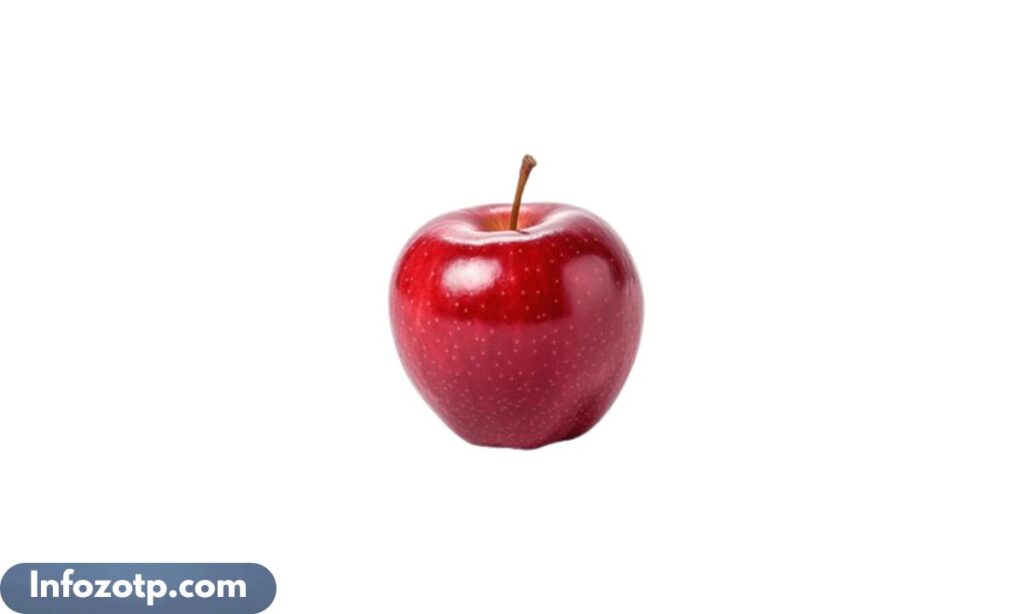
A small apple typically lands close to 4 oz, depending on the variety you grab. Gala and Fuji apples on the smaller side are a good match.Next time you’re at the grocery store, weigh one in the produce section. It’s a quick way to train your eye for portion size.
2. A Stick of Butter

A standard stick of butter weighs exactly 4 oz, no guessing involved. This is one of the few items on this list you can trust down to the gram.Butter packaging is measured with precision because baking depends on it. Keep one in your fridge as your go to reference point.
3. A Small Bar of Soap
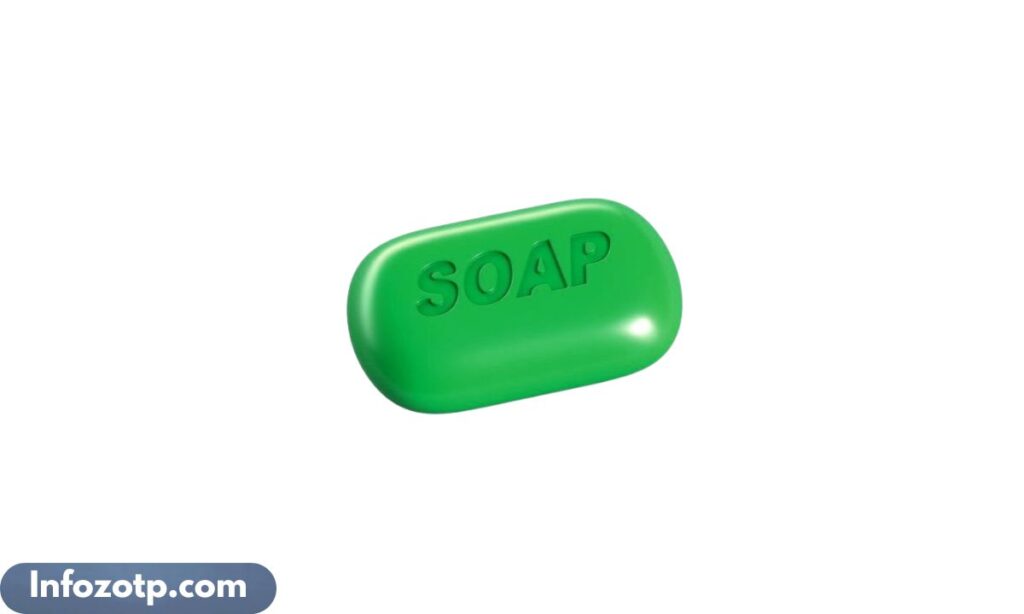
Most regular bathroom soap bars weigh somewhere around 4 oz. Check the wrapper next time, the weight is usually printed right on it.It’s a strange comparison, but it works because everyone has one lying around. Handy for a quick mental check when you don’t have food nearby.
4. A Deck of Playing Cards

A deck of cards is often used as the classic 4 oz comparison, though in reality most decks run closer to 3 to 3.5 oz. Still close enough to be useful for eyeballing meat and fish portions.Nutrition guides love this one because almost everyone owns a deck. Just don’t treat it as an exact science, it’s a ballpark tool.
5. Half a Cup of Yogurt

Half a cup of yogurt sits right around 4 oz. This is the same portion you’ll usually find in single serve yogurt cups at the store.It’s a common breakfast size and an easy one to picture since most of us eat yogurt straight from the container. Simple, familiar, and pretty accurate.
6. A Small Avocado

Smaller avocados, once peeled and pitted, often come in close to 4 oz. Larger ones can run heavier, so size really does matter here.This is a solid reference if you’re tracking fat and calorie portions in meals. Split one avocado between two people and you’re both close to a 4 oz serving.
Also Read This:14 Common Things That Are Exactly 70 Feet Long
7. A Medium Chicken Breast Portion
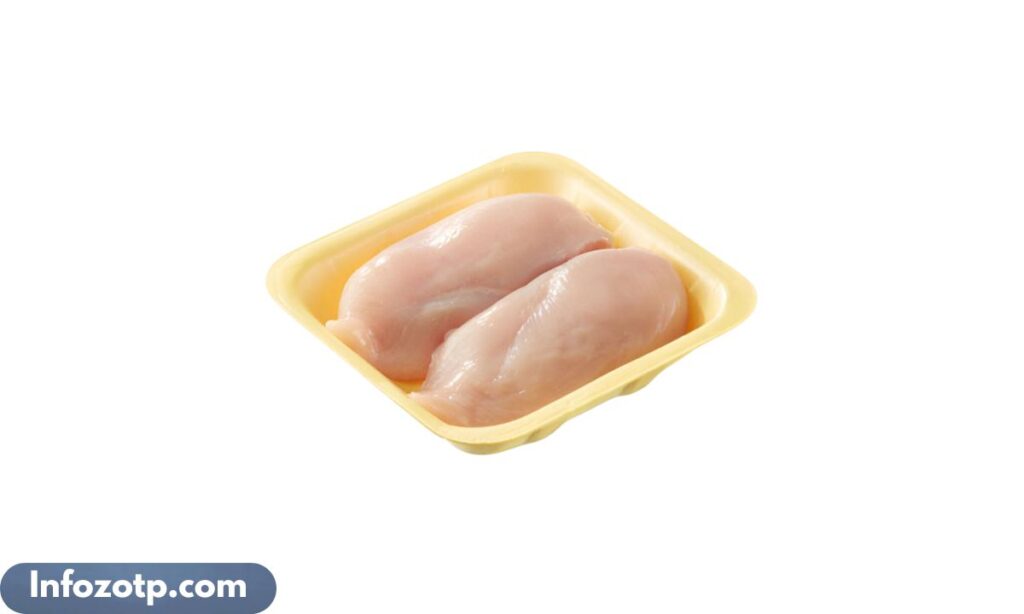
A trimmed piece of chicken breast, about the size of your palm, often lands near 4 oz. This is one of the most common protein serving sizes in meal planning.Many fitness and diet plans build meals around this exact portion. It’s filling without being excessive, which is why it sticks around as a standard.
8. A Small Can of Tomato Paste
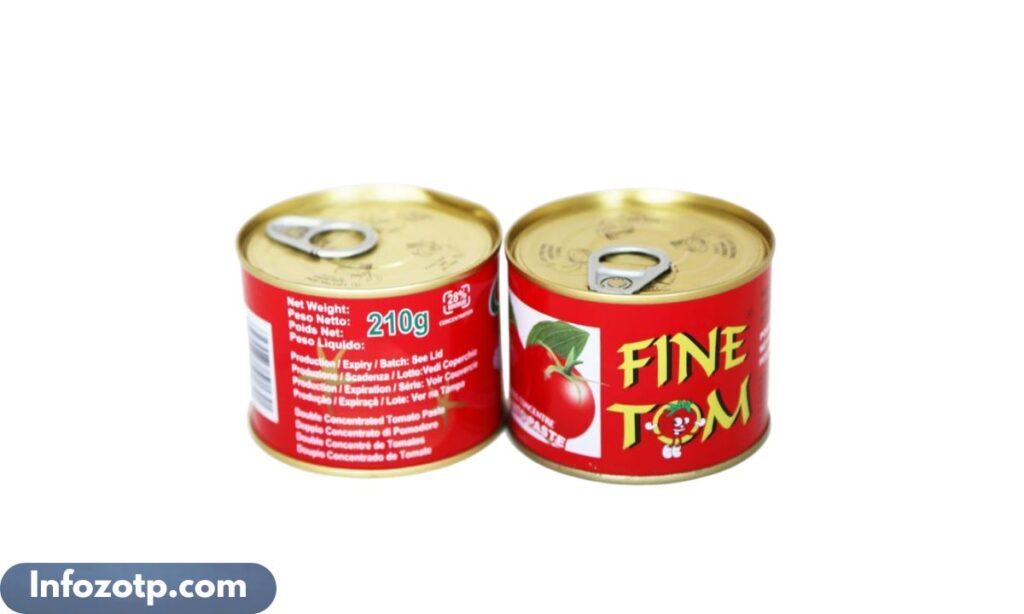
Some smaller tomato paste cans run close to 4 oz, though many popular brands actually package at 6 oz. Always check the label since sizes vary more than people expect.Still, when you do find the smaller can, it’s a handy real world 4 oz example. Good for sauces where you don’t need a full-size can.
9. A Small Tuna Pouch
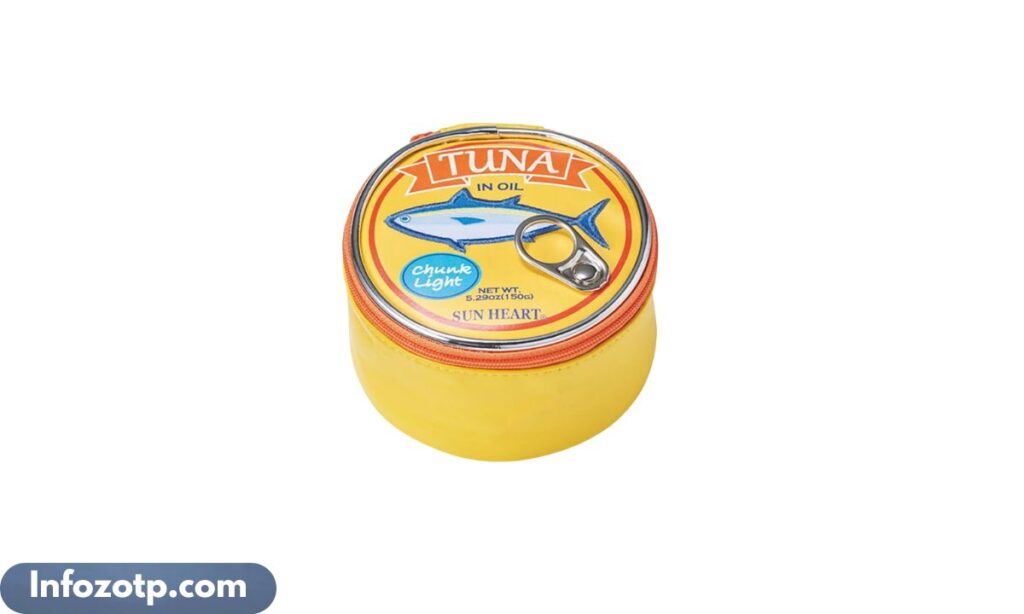
Tuna pouches usually come in 2.5 oz or 5 oz sizes, but a few brands do sell a 4 oz option. Worth checking your pantry to see which one you’ve got.Either way, it’s a fast grab and go protein source, and close enough to use as a visual guide. Great for salads or a quick lunch.
10. Half a Cup of Cooked Rice
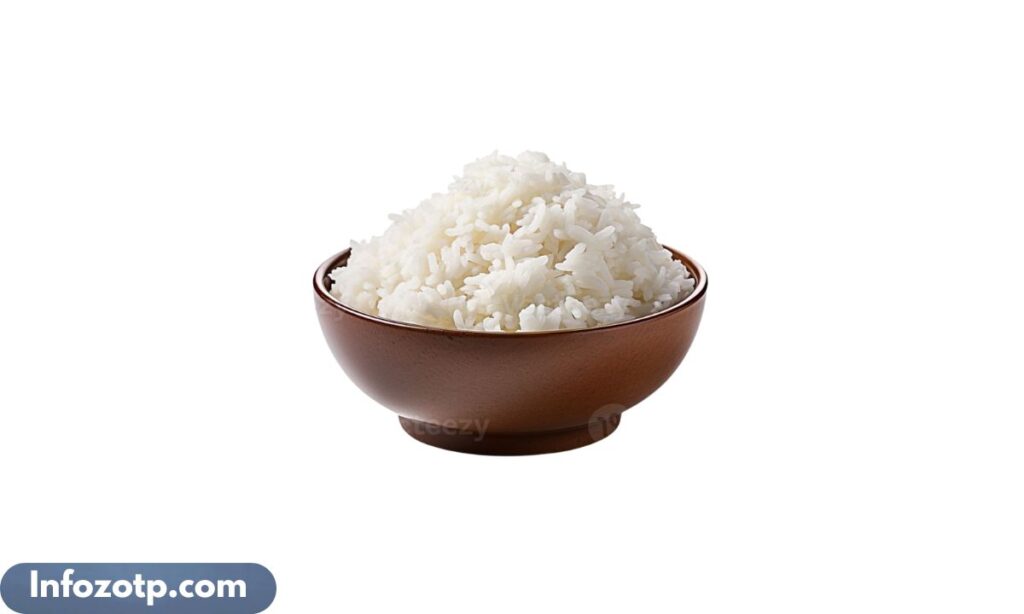
About half a cup of cooked rice comes in close to 4 oz. This makes it an easy one to picture at dinner since rice is such a common side dish.If you’re watching carb portions, this comparison is one of the more reliable ones on this list. Scoop, compare, done.
11. A Medium Potato

On the smaller side of medium, a potato often sits close to 4 oz, though many medium potatoes run a bit heavier at 5 to 6 oz. Size really depends on the variety you’re working with.Still a useful mental marker for vegetable portions in a balanced meal. Just don’t expect every potato in the bag to match exactly.
12. A Large Lemon

A large lemon often weighs close to 4 oz, making it a solid produce comparison to round out this list. Next time you’re juicing one for a recipe, give it a quick weigh in.It’s a fun one because most people never think to compare fruit weight to food portions. Now you’ve got one more reference in your back pocket.
Simple Ways to Measure 4 oz Without Any Tool
No kitchen scale on hand? No problem, you’ve still got options. Here’s what works in a pinch.
- Use half a cup for liquids, since 4 oz equals about half a cup
- Picture a deck of cards for a rough meat or fish portion
- Count out 8 tablespoons if you’re working with something scoopable
- Compare against a stick of butter if you’re unsure about a solid food
These tricks won’t be perfect every time, but they’ll get you close enough for everyday cooking. And honestly, close enough is usually all you need.
Is 4 oz a Large Portion?
Not really, and here’s why. A typical restaurant steak runs 8 to 12 oz, which is two to three times bigger than 4 oz. So on its own, 4 oz sits on the moderate to small side.For liquids, 4 oz is half a cup, which works fine for a small drink or a sauce, but it won’t quench a big thirst. Think side dish, not main event.Knowing this helps when you’re planning meals or trying to keep portions in check. It’s a building block size, not a whole meal by itself.
Common Mistakes People Make With 4 Oz
The biggest mix up is treating weight ounces and fluid ounces as the same thing. They’re close for water, but not for thicker stuff like yogurt or peanut butter.Another common slip is trusting packaging without checking it. Can sizes and pouch sizes change more often than people realize, so the label is always your best friend.Last one, guessing produce weight by eye alone. Fruit and veggies vary a lot depending on ripeness and variety, so treat these comparisons as a guide, not a guarantee.
Conclusion
Figuring out how much is 4 oz gets a lot easier once you’ve got real objects to picture instead of just numbers. A stick of butter, half a cup of yogurt, or a small apple all give you something solid to work from.These comparisons come in handy for cooking, portion control, and reading nutrition labels without pulling out a scale every time. Keep this list in mind next time you’re in the kitchen.Got a favorite way to measure without tools? Drop it in the comments, we’d love to hear how you do it.